What are the rental rates for a photo booth?
When you’re just starting out (or looking to move upmarket), the question of pricing always comes up: How much should you charge for a photo booth rental? And most importantly: How do you set a price that’s both profitable, in line with the market, and credible in the eyes of customers?
The reality is that there is no such thing as a “one-size-fits-all pricing strategy.” However, there is a reliable method for developing a sound pricing structure, avoiding common pitfalls, and defending your prices without stress—even in the face of aggressive competition.
Let’s take a look at how to set your rates professionally, taking into account the competition, your profitability, the quality of your equipment, and your reputation. The goal: to help you set prices that allow you to grow rather than just “get by.”

1) Adjusting Your Rates Based on the Competition: Is It a Good or Bad Idea?
That’s often the first reaction: “I’ll check the prices around me, and I’ll match them.”
It seems logical… but it’s a double-edged strategy.
When Aligning Can Be Helpful
Looking at the competition helps us understand:
the psychological price point in your area,
what customers consider “normal,”
the differences between low-cost, premium, and corporate plans.
If you’re way above everyone else for no apparent reason, you risk being ignored. In that sense, knowing the market is essential.
Why Going Along With the Crowd Is Often a Bad Idea
The problem is that you're never comparing the same things.
Two rental companies might both advertise “Photobooth – 350 €” but offer completely different experiences:
camera (tablet vs. DSLR),
light quality (no flash vs. controlled flash),
print speed,
terminal design,
After-sales service, support, reliability,
included features (gallery, QR code, templates, etc.).
“Blindly” following the competition often means selling a premium product at the price of a low-end one…or, conversely, charging too much without demonstrating value.
👉 The right strategy isn't "copying a price."
The right strategy is to understand what justifies a price, and then clearly position your offer.
2) Set a price that ensures profitability (otherwise, it's not a business)
Before we talk about “market price,” we need to talk about “viable price.” Because if your rate doesn’t cover your costs, you might get a lot of requests… and end up burning yourself out for mediocre results.
A profitable photo booth must cover the costs of:
consumables,
maintenance and replacement of equipment,
your travel,
your time,
your message,
and the amortization of the initial investment.
That’s exactly why Bizbooth has dedicated an entire article to the profitability of photo booth rentals: it lays out the basics and shows how many rentals it takes for the business to become truly profitable.
👉 “The Profitability of a Photo Booth”
Practical tip: Before you even choose your pricing structure, set a “minimum price”—the price below which you won’t accept a job, because you know you won’t have enough profit left after all your expenses are paid. This minimum price protects you and helps you avoid the vicious cycle of “I lower my price, so I have to take on more work, so I lower my price again….”
3) What justifies a higher price: quality (and you can see it)
When renting a photo booth, customers aren’t always tech-savvy. But they quickly notice the difference between a “pretty good” service and a “wow” service. And that perception directly affects your ability to charge for your services.
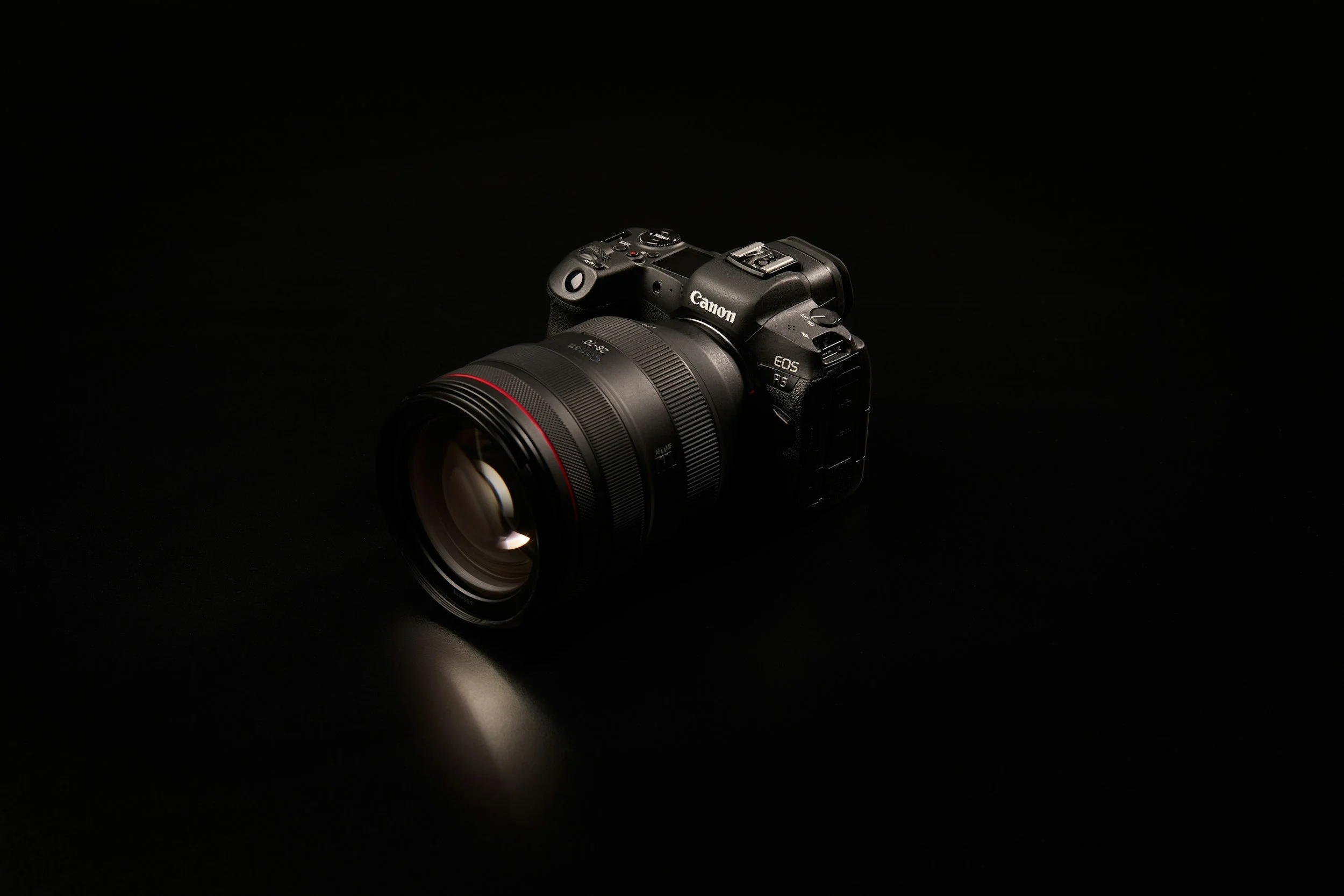
Image quality: camera, flash, rendering
It's one of the best ways to move upmarket.
A tablet-based or basic photo booth: produces decent results, but is often limited in low-light conditions.
A properly adjusted DSLR photo booth: more flattering skin tones, sharper details, and better dynamic range.
Proper flash use: it makes a huge difference at evening events (weddings, dark rooms, nighttime corporate events).
And most importantly: beautiful photos are meant to be shared.
Shared photos bring you requests.
Regular requests make you profitable.
Technology options: QR codes, AI, gallery, sharing
Options increase perceived value, and they can also increase your average order value:
sharing via QR code,
online gallery,
custom templates,
GIF/Boomerang mode,
"AI" features (depending on what you offer),
sent by email or text message.
Note: An option is only valuable if it’s simple for the customer. If it’s complex, it won’t sell well. A good premium photo booth also offers a seamless experience.
The Printer: Quality, Speed, Reliability
A professional printer like the DNP DS620 or the Citizen CX-02 is among the most common models used in professional photo booths.
Why? Because it changes the experience:
fast printing,
consistent quality,
low error rate,
professional rendering.
A customer won’t say to you, “I want a DNP.”
But they can tell the difference when the line moves smoothly, when the print comes out clean, and when the setup runs smoothly all evening without any stress.
4) The appearance of the photo kiosk: wood, plastic, metal… and the role of design
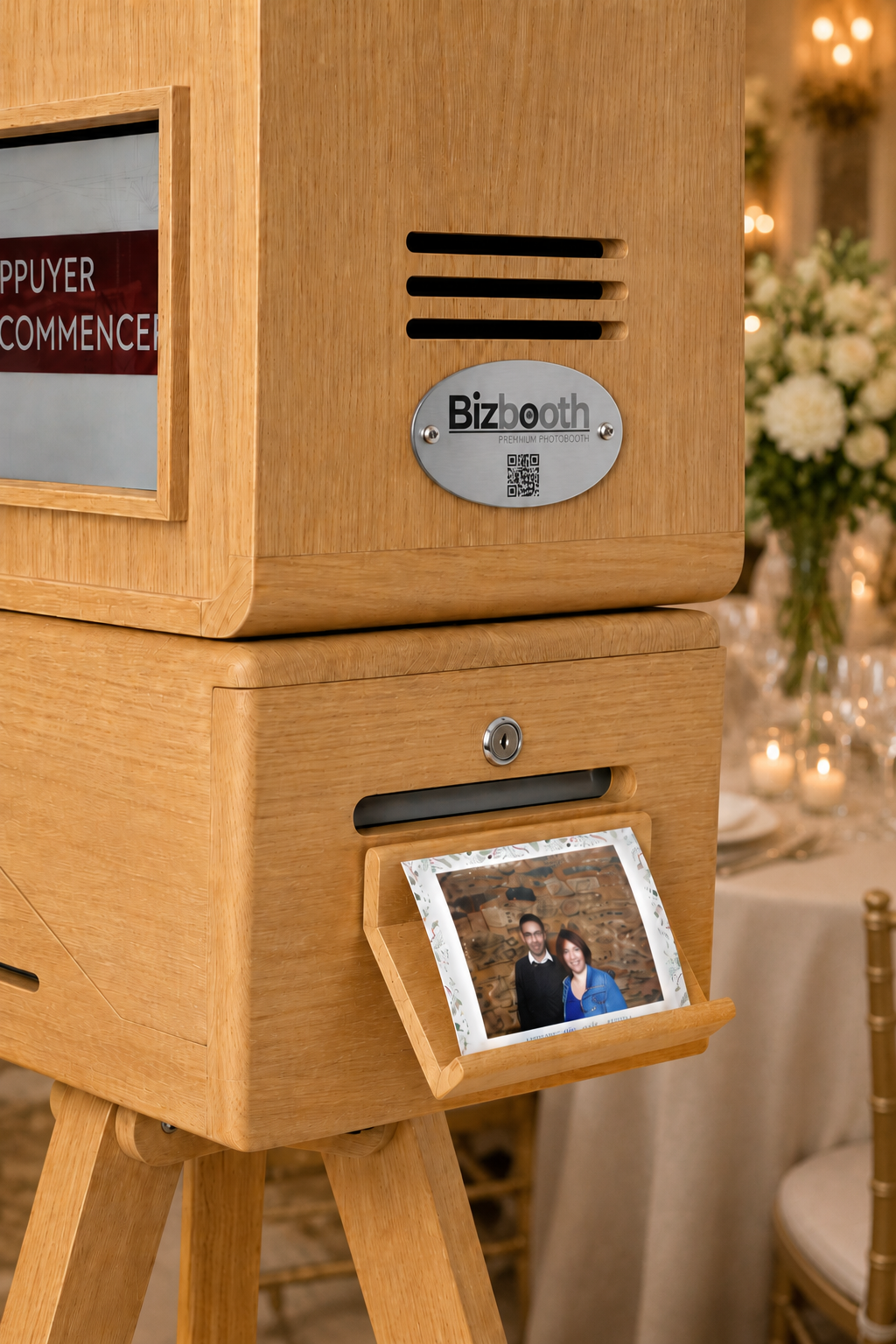
One point that's often underestimated: design sells.
At a wedding or corporate event, the photo booth is set up in the room, visible, photographed, and integrated into the overall decor. If your photo booth is attractive, it becomes a decorative element, so:
The customer is willing to pay more,
Upscale venues are more likely to accept you,
Guests share more.
An elegant wooden photo booth doesn't send the same message as a "gimmicky" plastic booth. At the same price point, perception works against you. And in the long run, perception affects your reputation.
5) Reputation, Supply, and Demand: Why Two Rental Companies Should Never Charge the Same Price
Reputation: The Most Profitable Weapon
Reviews, recommendations, user feedback, real photos… all of this builds one thing: trust.
The more recommendations you have:
the less you spend on advertising,
the higher your conversion rate gets,
the more you can raise your rates without encountering resistance.
Supply and Demand: Your catchment area suggests a certain price

In some regions, demand skyrockets during wedding season. In others, competition is fierce. This should influence your strategy:
in high demand: you can raise prices and select the best events,
In a highly competitive market: You can set yourself apart through quality and features, rather than price.
The key is to avoid being “just another rental company.”
6) Take advantage of options to increase the resale value (without lowering the base price)
A highly effective strategy is to offer a competitive base price and then increase the average order value with truly desirable options.
Examples of items that sell well when they're presented effectively:
premium background / arch / decor,
advanced template customization,
audio or video guestbook,
online gallery + QR code,
unlimited printing (based on your costs and policies),
delivery / on-site installation,
Presence of a host (corporate events, trade shows).
The pitfall is adding 15 confusing options. The right model is:
—1 clear offer + 3 to 6 easy-to-understand options that increase value and margin.
The right price isn't "the cheapest"—it's the most reasonable.
Setting your prices for photo booth rentals isn’t just about guessing a number. It’s about creating an offer that:
is profitable,
is credible,
is distinctive,
and meets your quality standards.
Competition is a benchmark, not a guide. Profitability is a foundation, not an option. And quality (images, design, reliability, experience) is what allows you to move upmarket.
To learn more about this topic, we also recommend reading:
👉 The Profitability of a Photo Booth : essential for setting your minimum prices and your long-term strategy.
To learn more: Photobooth Business—Pro-to-pro advice and tips available in the shopbooth
A “must-have” for starting your business